
The Ultimate Guide For Precautions You Should Take During Winter
Cycling is one of the most entertaining ways to stay fit and a great way to explore new places inaccessible by road. Riding during winter requires cyclists to take extra precautions as the nights become colder and darker.
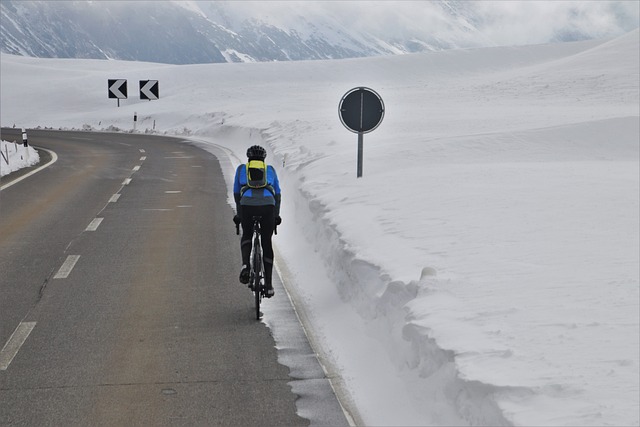
At Fawkes Cycles, we explain how you should prepare your bike for winter to help you stay safe when riding on those cold and dark nights.
Table of contents
- Tips for cycling in winter
- What do I need to cycle in winter?
- How many layers should I wear when cycling in winter?
- How can I prepare my bike for winter?
Tips for cycling in winter
Cycling during harsh winter weather can provide several challenges and requires increased physical demand; however, this doesn’t mean you have to stay indoors. Read through our helpful tips for riding safely in the winter.
Cornering
Every rider will experience cornering when cycling, so knowing how to do it safely in winter weather is essential. During winter, there could be leaves and debris on the road, creating difficult conditions for riders.
Reducing your speed is crucial when cornering to ensure you have a higher chance of staying upright. Keeping your bike as vertical as possible will give you the best chance of cornering safely; therefore, you must anticipate the path ahead to avoid last-minute swerves.
Braking
Like cornering, braking requires you to anticipate the road ahead to ensure you brake effectively. Due to the cold weather, your tyres will have reduced grip, significantly impacting how you brake on wet and icy roads.
Ensure you consider the stopping distances for yourself and other users and give yourself extra time to brake. Avoid harsh and sudden braking in wintery conditions, as this could cause your wheels to lock, and you could lose your grip and balance.
Road positioning
Don’t be afraid to claim your place on the road; this will help you stay in the driver’s eyesight. Riding in primary and secondary road positions will prevent cars from hitting you and keep you out of the gutter; riding in the gutter increases the risk of hitting drains and allows cars to enclose you.
Be aware of visibility
Harsh winter weather can lead to a consequential reduction of visibility on the road; therefore, you should stay alert and give yourself enough time to react to oncoming riders, cars, or loose debris. Bear in mind that if you are struggling due to reduced visibility, other riders may not see you, so expect to encounter other cyclists.
Choose your route carefully
Traffic-free or low-traffic routes are the best options for cycling in the winter as you reduce the risk of potential hazards. Routes that don’t contain many distractions are less stressful, allowing you to concentrate on your riding fully.
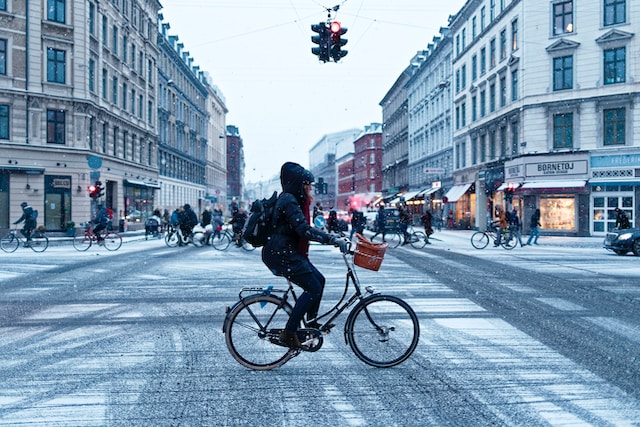
As winter brings cold and dark conditions, choosing a well-lit route is essential for a safe journey. Furthermore, some routes may not be treated for ice, which can further impact your riding ability; don’t be reluctant to change your route just for the winter months to ensure your safety.
For those who cycle for commuting, ensure you factor in a few extra minutes on your route for any potential obstacles.
Stay at home
Opting out of riding in the winter is never a bad idea, as your welfare is the most important thing. Winter conditions can be unpredictable, meaning no matter how skilled you are, you could find riding extremely difficult. In extreme weather conditions, ride within your ability to guarantee your safety.
What do I need to cycle in the winter?
You need various essential items to add an extra layer of safety for riding in the winter. Adding these items will ensure you can ride smoothly while staying slightly warmer.
Bike lights
Making yourself seen is a crucial factor in riding during winter, as you are dealing with dark conditions where visibility is low. Bike lights are essential to help drivers and other cyclists notice you, especially in unlit areas. Your front bike lights should be the brightest, while your rear lights should be at least 30 lumens.
Reflective clothing
Wearing clothing with a reflective element helps drivers and other cyclists detect you on the road from a distance. You should try to wear as much clothing with as many reflective elements as possible to make it easier for others to notice you. Reflective tape or reflectors are a good alternative for adding extra reflective elements to your bike.
Headwear
Adding extra headwear underneath your helmet can help you battle the cold conditions that you will experience in winter. A face mask or balaclava is a great option for keeping your face and head warm if riding in the extreme cold. Furthermore, goggles protect your eyes if you experience a blizzard while riding.
Other accessories
Winter brings wet and cold weather conditions, so waterproof gloves are essential for keeping your hands warm and dry.Add hand or foot warmers to your ensemble if you want extra heat while riding.
How many layers should you wear cycling during the winter?
Three layers are recommended for cycling during the winter, especially if you are riding several miles in one journey. Wearing multiple thin layers keeps you warmer than one thick layer, as heat gets trapped between each layer without making you overheat.
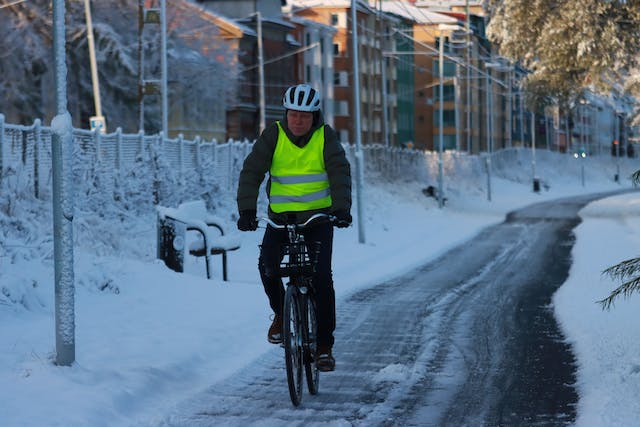
First, start your winter clothing ensemble with a base layer. Base layers, often constructed from synthetic materials, are the thinnest to remove sweat from the body and evaporate between the outer layers.
The middle layer of your attire, often a jersey, is the insulating layer; however, you don’t need much insulation as your body will heat up quickly while riding. How warm your insulating layer is will depend on how many other layers you wear and how cold it is on your journey.
Your outer shell is often a breathable, waterproof rain jacket designed to keep off rain and windchill. If you cycle vigorously at long distances, a showerproof jacket is your best option to ensure you don’t overheat.
How can I prepare my bike for winter?
Get some suitable tyres
In winter’s wet conditions, you’ll want grippy tyres to ensure you’re not sliding off course when riding. Tyres designed for winter offer better traction when cornering and have increased puncture resistance, giving you peace of mind you’re unlikely to suffer a puncture during your travels.
Check your bike for dirt
Dirt, rain and salt from the road can get into your cables and drivetrain, significantly impacting your riding experience. You should keep an eye on your bike components to ensure your bike’s performance isn’t impacted; therefore, you should keep components such as your drivetrain clean before your ride. Giving your bike a clean before you go out will remove any dirt and salt, prolonging your component’s lifespan and avoiding rust forming.
Find your winter essentials at Fawkes Cycles
If you have struggled with knowing how to approach the winter weather, this guide advises you on how to ride safely and which components are crucial for tackling the harsh conditions.
Looking for extra riding accessories? Protect your bike from dirt with the latest range of mudguards, or safely store your items with the latest bags and luggage selection.

Comments are closed here.