
The Best Bike Lights For Riding During Winter
Winter is well-known for its cold and dark nights, making cycling at night difficult. For many cyclists, the harsh weather conditions are no worry, but staying safe is paramount.
Bike lights are necessary for nighttime winter riding, as you must make yourself visible to drivers and other cyclists.
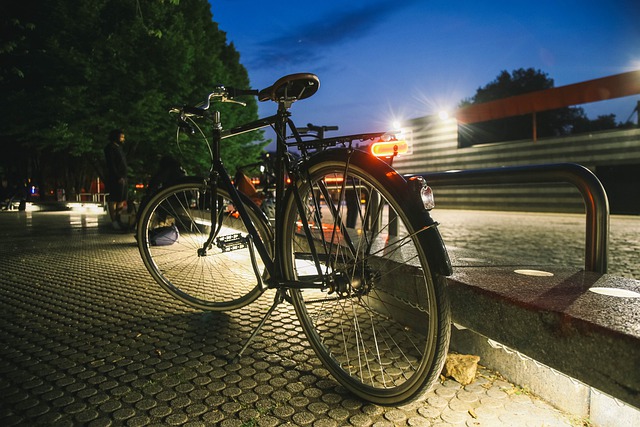
At Fawkes Cycles, we advise how to ride safely during winter and which bike lights you should use for night riding.
Table of contents
- How do you ride safely during winter?
- Are bike lights a legal requirement at night?
- What lights should you have on a bike?
- How many lumens should bike lights be?
- The importance of your bike lights’ battery life
How do you ride safely during winter?
Bike lights
Bike lights are essential for tackling the dark winter nights to ensure you make yourself noticeable to other cyclists and drivers. Adding this safety precaution reduces the chances of being in an accident, as others will see you in areas of low visibility.
You should have bike lights on the front and rear of your bike, allowing you to be seen from both directions. If you often ride in unlit areas, bike lights are a great way to help you see the road ahead.
Reflective clothing
Like bike lights, reflective clothing is a great option for helping make you noticeable when riding during dark winter nights. You will likely experience cold weather conditions, so reflective clothing can help keep you warm and safe.
Reflective clothing allows you to be seen from a distance, as being in other cyclists’ and drivers’ lines of sight will ensure they spot you immediately.
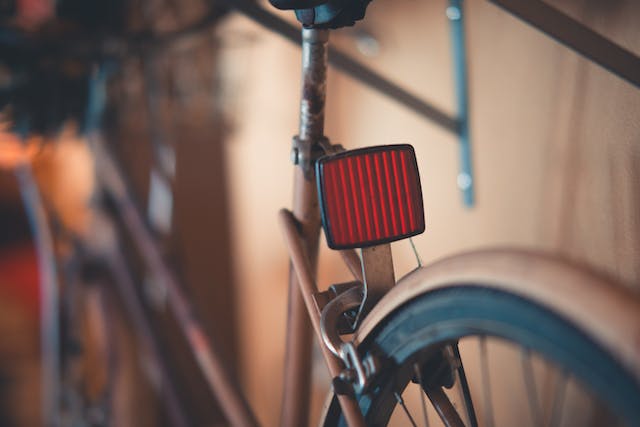
Wearing as many reflective pieces of clothing as possible will only increase your safety; however, if you need extra reflective elements for your person or bike, reflective tape or reflectors are excellent alternatives.
Other tips
The cold and harsh weather conditions you often experience during winter can hamper your cycling ability due to icy and wet roads. Choose your route carefully to ensure you pass through as many treated and well-lit areas as possible.
Anticipation is essential when cycling during winter to ensure you don’t hit any obstacles or oncoming people. By anticipating the road ahead, you can safely reduce your speed to corner and avoid braking harshly, meaning you can maintain your balance.
Are bike lights a legal requirement at night?
The short answer is yes, bike lights are a legal requirement at night. Bike lights help you to quickly identify other cyclists or pedestrians to ensure you safely avoid them in plenty of time. Reflectors are legally required to help drivers spot you on the road from their headlights.
Under the UK Road Vehicles Lighting Regulations (RVLR), you must have a white light on the front of your bike and a red light on the rear.
The main points that you need to adhere to from the RVLR are:
- Only between sunset and sunrise are bike lights and reflectors on a pedal cycle required.
- Your bicycle does not require bike lights or reflectors if being pushed along the roadside or stationary.
- Bike lights and reflectors must be clean and working properly when required.
Rule 60 of the Highway Code states:
“At night, your cycle MUST have white front and red rear lights lit. It MUST also be fitted with a red rear reflector (and amber pedal reflectors if manufactured after 1/10/85). White front reflectors and spoke reflectors will also help you to be seen. Flashing lights are permitted, but it is recommended that cyclists who are riding in areas without street lighting use a steady front lamp.”
RVLR regulations 13, 18 and 24 provide extra information on the night riding requirements.
What lights should you have on a bike?
As stated in the RVLR, you must have a white light on the front and a red light on the rear of your bike. Bike lights allow you to be seen by others and see what’s in front of you.
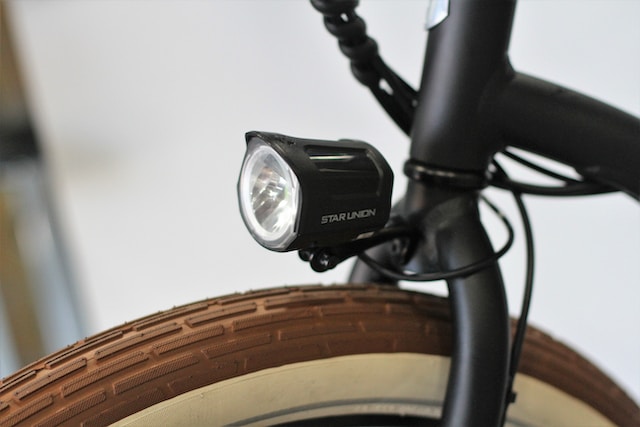
Most front lights are secured onto the handlebars with a plastic or metal mount, while rear lights are often fastened to the seatpost. Rear bike lights have various features, such as a steady beam, flashing or changeable brightness.
How many lumens should bike lights be?
The amount of lumens you need depends on your cycling route; if you often cycle a well-lit route with several streetlights, you will need fewer lumens, as opposed to needing more lumens if you travel down dark paths and back roads.
If your route has streetlights and you travel through built-up areas, you will only need a light with approximately 200 lumens, whereas bike lights with 400 lumens are suitable for commuting on dark roads.
The importance of your bike lights’ battery life
When buying bike lights, it is essential to consider the battery life to ensure you have enough light for the duration of your journey. Bike lights with longer battery life tend to be heavier, so don’t buy a light that will throw you off balance.
Consider the length of your route and factor it into your purchasing decision; buying a bike light that will run out before you reach your destination will be no use. Opting for a rechargeable bike light is a great option, allowing you to charge it during work. On the other hand, taking spare batteries on your ride will ensure you have a backup plan should your bike light run out.
Acquire your bike light essentials at Fawkes Cycles
Staying illuminated when riding at night during winter is crucial for ensuring you and others on the road are safe. This guide will help you meet the legal requirements for riding at night and advise you on the ideal lumens for your bike light.
Are you in need of extra bike light products to ensure they last the duration of your journey? Why not opt for the latest range of light spares and light sets?

Comments are closed here.